
Nirav Modi Scandal
Introduction
The Nirav Modi scandal is the biggest fraud discovered in the history of the Indian Banking sector. At the time of discovery, it was a fraud worth Rs 11000 crore approx., originating at Punjab National Bank’s (PNB) Brady House branch in Mumbai.
Who were responsible?
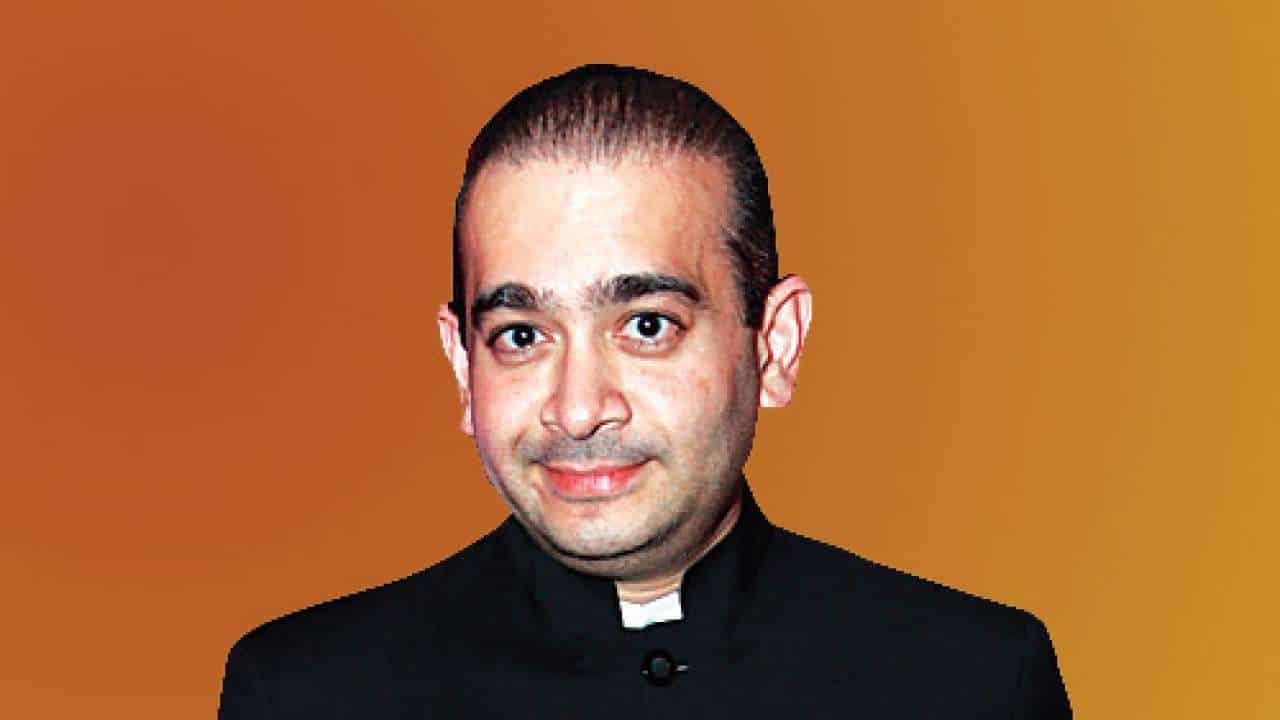
The main accused in the scam were Jeweller and Designer Nirav Modi, his maternal uncle Mehul Choksi (Gitanjali Group), his wife Ami Modi and brother Nehal Modi (all partners of the firms, M/s Diamond R US, M/s Solar Exports and M/s Stellar Diamonds), and other relatives. Along with them two PNB officials/employees (one of them being Gokulnath Shetty, retired Deputy Manager of PNB), and directors of Nirav Modi and Mehul Choksi’s firms have also been implicated.
PNB officials, Usha Ananthasubramanian, former PNB CEO, ED KV Brahmaji Rao and Sanjiv Sharan, were also held responsible (in CBI charge sheet), for failure to implement RBI guidelines on reconciliation of SWIFT messages and core banking systems.
The modus operandi of the scandal
PNB has claimed that two employees of PNB’s Brady House branch in Fort, Mumbai had fraudulently issued Letters of Undertaking (LoUs) in favour of overseas branches of Indian Banks (Allahabad Bank, Axis Bank, and Union Bank of India). The instructions were transmitted with help of SWIFT (Society for Worldwide Interbank Financial Telecommunication- an instant messaging system used to connect all international banks worldwide). The instructions were given to raise buyers’ credit in favor of Nirav Modi without making entries in the Core Banking System (CBS) of PNB.
Hence PNB management was unaware of the complete transaction and the fact that Nirav Modi had acquired Credit guarantee or LoUs from PNB without proper documentation and collateral (Cash/Property/Tradable asset).
Essentially, PNB had guaranteed Credit/loans on behalf of Nirav Modi without even being aware of it.
The first LoU was issued by PNB on 10th March 2011, and similarly more LoUs were issued to him within the span of 74 months when the earlier credit payment could not be made in time. The total amount of the overdue loans was approx. Rs 11000 crores by the time the fraud was uncovered.
In Mar 2011, PNB reported that two of its officials had raised fake LoUs i.e. Letter of Understanding (guarantee given by one bank to another, to repay loan on behalf of a client). This is usually issued while imports need to be made by a person/entity from another country.
While the LoUs were issued in favour of Nirav Modi, this was done without proper documentation/collateral (Cash/Property/Tradable asset) being submitted to PNB.
And when the credit was due for payment, Nirav Modi’s firm failed to repay the loan. To facilitate repayment more LoUs were issued to the three firms (M/s Diamond R US, M/s Solar Exports and M/s Stellar Diamonds). By Jan 2018, when PNB discovered this fraud, the dues had exceeded Rs 11000 crores.
Loopholes in the systems
PNB’s Core banking system was not linked with SWIFT, this helped PNB officials to misuse the system and led to the fraud.
CBI also stated that PNB management, led by then CEO Ananthasubramanian, failed to initiate steps suggested by RBI. The RBI had highlighted the gaps in system control, which if adhered to, could have prevented a fraud of this scale.
RBI Instructions also stated to report occurrence of incidents related to gaps in system control within the bank; and in case no such gaps were found, then a “No gap” report should be sent to RBI.
However, no such reports were shared by PNB with RBI until fraud came to light.
How was the scam uncovered?
As stated by PNB, on 16th January 2018, employees of the three companies Diamond R US, M/s Solar Exports and M/s Stellar Diamonds, requested LoUs. In response to this, PNB branch officials requested the company officials to provide full amount as collateral. At this point of time, company officials contested that in the past they have received LoUs without giving any guarantee or collateral.
Although, while checking bank records, PNB officials could not find any such transaction details, and hence suspected fraud; and started investigating transaction history with respect to these three firms’ bank accounts. While investigating PNB found that two bank employees had issued numerous LoUs (for years) on SWIFT, without punching transactions into PNB’s Core banking system. These all transactions had been made without the knowledge of PNB management.
Hence PNB had filed a complaint with CBI on 29th Jan 2018, accusing partners of the Diamond R US, M/s Solar Exports and M/s Stellar Diamonds, along with two PNB bank employees for the illegal transactions.
Where are they right now
Nirav Modi, his wife and other accused relatives have been absconding from India since February 2018, days before the PNB Scam news came into limelight.
Nirav Modi was on Interpol list, and had been arrested in central London by UK authorities in the month of March 2019. He is still in UK jail and fighting for bail with UK court as well as extradition to India.
Mehul Choksi has been absconding from India, and currently based out of the Caribbean nation of Antigua, and wanted by Indian judicial authorities.
Interpol Global warrants have also been issued to Nirav Modi’s wife, brother and sister.
Impact on the stock of PNB
When the fraud was discovered, its market capitalisation had fallen down by approx. Rs 10,000 crore, with the share price falling over 20%-25% in a matter of few trading sessions.
Lessons learned
Some of the key lessons learned from the fraud included –
- Adequate management of operational risks across people, process and systems
- Fiduciary responsibilities of auditors (Statutory/Internal) to highlight inadequate processes followed by banks across lending lifecycle
- Strengthening of Bank’s Board with risk management expertise
- Key expectations on RBI’s role as part of its regulatory oversight responsibilities to ensure a better risk management framework across all banks
Howdy!
If you’re here for the first time, let’s get introduced.
VRD Nation is India’s premier stock market training institute and we (Team VRD Nation) are passionate about teaching each and every aspect of investing and trading.
If you’re here for the first time, don’t forget to check out “Free Training” section where we have tons of free videos and articles to kick start your stock market journey.
Also, we got two awesome YouTube channels where you can continue the learning process.
Must-Read Articles






How to Recover from a Big Trading Loss?

Secret Weapons of Professional Traders

7 Habits of Highly Effective Traders
7 Reasons Why Traders Love Options

The Biggest Lie About Intraday Trading

Top 5 Books on Technical Analysis
What is Insider Trading
Introduction
Imagine your friend works in the sales department of a famous IT company that is planning to acquire a successful start-up.
Your friend could not contain her enthusiasm and informed you about the acquisition news.
Now, you realize that this news will skyrocket the stock of the company being acquired. So what do you do?
You go ahead and buy several shares of the company getting acquired and walla!…within a couple of days the news becomes public and you make a ton of money!
While this may seem a harmless case of a friend helping another friend, in reality, this is illegal and is commonly referred to as Insider Trading.
It is a malpractice that involves the illegal use of unpublished price-sensitive information , available only to insiders, in order to make or help make a profit in financial trading.
In fact, Insider trading is one of the most serious malpractices that exist in the stock market.
Who is an Insider?
So let’s first understand who is an insider. The stock market regulator SEBI defines an insider as a “connected person” who has access to price-sensitive information about a particular company.
As an insider, you could be an employee, director, executive, consultant, or promoter at the company, and the sensitive information you leak could potentially impact the stock price of the company. Even if your association with the company is just six months old, you can be considered guilty if you release non-public information.
What is UPSI?
Now the one term that makes all the difference here is UPSI, the unpublished price-sensitive information which if leaked can land the offender in jail.
UPSI can be any non-public company data including quarterly results, dividends, mergers, acquisitions, and other transactions.
With the help of this confidential information, insiders can carry out dealings for personal benefit and leave a major impact on the company’s stock performance.
This is not just unfair for the other innocent investors, but also adversely affects market liquidity.
Needless to say, it undermines investor confidence in the fairness of the financial market as well
Examples of Insider Trading
India has witnessed several instances of insider trading in the securities market.
In 2017, SEBI initiated an investigation into the dealings of Future Retail Limited owned by Kishore Biyani because of reports that certain insiders had traded in the stock of FRL based on privileged information.
In this case, the UPSI was about an impending demerger of a certain business from Future Retail which could positively impact FRL’s share price.
In an illegal move, a couple of related companies purchased shares of FRL before the new arrangement was publicly announced.
After the investigation, SEBI banned these people from trading FRL stocks for 2 years and penalized Future Corporate Resources, Kishore Biyani, and Anil Biyani with Rs 17.78 crore, along with 12 percent annual interest.
In another high-profile case during the year 2021, SEBI fined two Infosys employees, along with six entities and individuals for insider trading.
These guys knew that Infy was about to come out with excellent quarterly results so they bought the stocks of Infy and within a very short period made over 3 crore rupees.
Conclusion
SEBI has devised strict regulations to curb illegal insider trading in India, any violations of which attract strong penalties., including imprisonment of up to 10 years or a fine of up to 25 crores.
However, the reality is that very few such cases come to light because unless a whistleblower raises the issue, it is practically impossible for SEBI or any other regulatory body to differentiate which trades are legal and which ones are done by insider trading.
We can only hope that our regulatory ecosystem will get better at putting an end to insider trading.

Leave A Comment